script async src="//pagead2.googlesyndication.com/pagead/js/adsbygoogle.js">

Sunday, 13 December 2015

Prince Just Released a Surprise New Album, Hitnrun Phase Two

Prince has been atypically charitable of late. In September, he released Hitnrun Phase One, a new album full of bright, dance-inflected rock; this past week, after years of refusal, he finally allowed footage of his incredible “Creep” cover to remain online.
And the riches keep coming: On Saturday, without any prior announcement, the Purple One released yet another new album, Hitnrun Phase Two, which like its predecessor is exclusively streaming on Tidal. The record features some previously shared songs—Freddie Gray tribute “Baltimore,” recent live staple “Screwdriver”—but the rest is brand-new material. And for those keeping count, that’s four Prince albums in the past two years, which suggests that, despite increasing evidence to the contrary, ours is a good world. A full tracklist is below.
01. Baltimore
02. RocknRoll Love Affair
03. 2 Y. 2 D.
04. Look at Me, Look at U
05. Stare
06.. Xtraloveable
07. Groovy Potential
08. When She Comes
09. Screwdriver
10.. Black Muse
11. Revelation
12. Big City
Sharan Shetty is a writer for Brow Beat. You can follow him on Twitter.  
Surcce; browbeat

The GOP’s Greatest Fears

appy Brokered Convention Day! No, no, there will not be any brokered major political party conventions today. I mean that today, thanks to theWashington Post’s reporting on what a few fancy Washington people talked about at some fancy dinner the other night, marks the first of many days in which political media overflows with thrilling content about how There really could be a brokered convention this year! This speculation comes around like clockwork each cycle. When it doesn’t materialize, it’s replaced by its general election equivalent,There really could be an Electoral College tie!, as political reporters’ prevailing hope of hopes.
Jim NewellJIM NEWELL
Jim Newell is a Slate staff writer.
“Republican officials and leading figures in the party’s establishment,” the Postreports, “are preparing for the possibility of a brokered convention as businessman Donald Trump continues to sit atop the polls in the GOP presidential race.” Figures like Senate Majority Leader Mitch McConnell and Republican National Committee Chairman Reince Priebus listened Monday night while officials laid out the nuts and bolts of a contested convention process. And if they ran through a contingency plan two months before anyone’s voted, then there’s definitely going to be a brokered convention this year, right? Don’t hold your breath.
There hasn’t been a floor fight over the GOP presidential nomination since 1976 or any undecided first-ballot votes for a nominee from either party since 1952. That’s because there aren’t really any “brokers” anymore, i.e., party officials who keep delegates in their pockets and horse-trade at the site. That’s a very old-timey, machine-politics system that looks absolutely awful on television. Modern nominating conventions aren’t intended to resolve nominating disputes in real time. Instead, they serve as a) well-choreographed PR events for each party to market itself as allegedly representative of the American people, and b) a way for the parties to pamper big donors and attend cheesy, depraved happy hours with evil lobbyists.
Because a deadlocked convention, in which a party heads into a convention before a candidate has secured a majority of delegates, would be an unholy PR mess for a party—picture roughly 2,500 delegates, along with the candidates themselves, horse-trading on the floor as his or her own individual broker—the Republican Party will do everything in its power to avoid this outcome. If a top candidate is a wee bit short of a majority of delegates, the powers that be would try to nudge a few unbound delegates in the right direction to push the candidate over the top and avoid a scene.
What makes a contested Republican convention slightly more possible this year than in previous cycles is that there is a fresh scenario that would constitute even worse PR for the party than a floor melee: Donald Trump winning the party’s presidential nomination.
That, per the Washington Post, is what this dinner was really all about. “Weighing in on that scenario as Priebus and Senate Majority Leader Mitch McConnell (R-Ky.) listened,” the Post writes, “several longtime Republican power brokers argued that if the controversial billionaire storms through the primaries, the party’s establishment must lay the groundwork for a floor fight in which the GOP’s mainstream wing could coalesce around an alternative, the people said.”
If Sen. Marco Rubio or even Sen. Ted Cruz came into the convention with about 45 percent of “bound” delegates—ones earned in primaries and required to vote for designated candidates on the first ballot—the party’s superdelegates could push him over the edge. But if Trump came in with 49.9 percent of bound delegates, the party would do everything in its power to prevent him from reaching a majority.
Such an aggressive effort to block Trump from the nomination, displayed on national TV, would mean calling Trump on his threat to run as an independent and praying that it’s a bluff. You never know with Trump. But it’s worth pointing out that there would be no point to an independent presidential bid. It would be expensive, he would run into exhausting ballot access issues, he would have a 0 percent chance of winning the general election, and he single-handedly would be responsible for Hillary Clinton’s election.
An outright bound-delegate majority for, say, Rubio would be ideal for the party. A contested convention in which Cruz is nominated as a compromise, of sorts, between Trump and Rubio would be a nightmare for the party. A Trump independent presidential run would be a worse nightmare.
But the absolute worst nightmare for the party would be Trump as its presidential nominee. In that scenario the GOP loses not just the presidential election but total control over the image of its party, as well as a disturbing number of down-ballot races. The entire Republican apparatus, from the local to the state to the federal level, would wake up each morning of a general election season as a member of Trump’s party.
A contested convention would be disgusting. But if the party has to do it to stop Donald Trump, of course it will be prepared to do so.    
Photo by Neil Hall/Reuters
This weekend, groups of twenty- and thirtysomethings decked out in cheap Santa costumes will march drunkenly through the streets of New York City, Los Angeles, San Francisco, and other cities. These roving bands of merrymakers began as a novel distraction from the usual holiday shopping and family gatherings. But over two decades, SantaCon has morphed into something more exasperating, and the same people that once embraced the event have started calling for an end to the shenanigans.
The public’s annoyance with SantaCon is understandable. Started in San Francisco in 1994 as a one-off act of performance art meant to “take Christmas back from consumerists,” as co-creator John Law described it to the Village Voice last year, it has mutated into something much larger and louder. Where Law and his friends had dropped in on a Macy’s and high-class ball at the Fairmont Hotel, the thousands of Santas joining in the fun more recently stumble only from one bar to the next. Instead of singing carols and dancing with old ladies, like the original SantaCon crew, these dollar-store Santas must be warned not to “roam the streets urinating, littering, vomiting, and vandalizing,” as New York Police Department Lt. John Cocchi wrote in a release. It’s become a sloppier and less creative Halloween parade. St. Patrick’s Day with jingle bells.
Last year, the bars of Bushwick, Brooklyn, banned the event. A group called Boycott SantaCon launched a campaign urging local business owners to “prohibit from your bar anyone dressed as Santa Claus, Mrs. Claus, sexy Claus, elves, sexy elves, reindeer, sexy reindeer, snowmen, sexy snowmen, candy canes, sexy candy canes, Krampus, sexy Krampus, or any other holiday-themed costume or sexy variant of that costume.” This year, controversy has flared in San Francisco, where bar and restaurant owners have been placing signs in their windows reading “No Love for SantaCon.”
But while these Santas clearly need some boundaries, critics go too far in pushing to ban the event altogether. Two years ago, Jason O. Gilbert wrote in an op-ed in theNew York Times that, “SantaCon is distinctive, and arguably impressive, in that it contributes absolutely zero value—cultural, artistic, aesthetic, diversionary, culinary or political—to its host neighborhood. Quite simply, SantaCon is a parasite.”
This is not totally fair. In fact, the debauched idiocy of SantaCon offers spectators some surprising cultural and historic value. Specifically, it serves as a peek into how Christmas began in the United States. Despite complaints that these sloppy Santas degrade the holidays, they actually embody their original spirit in many ways.
In New York, Boston, Philadelphia and a number of other cities during America’s first decades as a country, Christmas was celebrated in the streets. Something of an outgrowth of the Saturnalia celebrations of centuries earlier, which it was meant to replace, Christmas was a special time when the normal social structure became porous or inverted entirely. Laborers, newsboys, and total strangers asked their social superiors for tips and gifts, sometimes even going right up to their homes and knocking on the door. It was a concept of “wassailing” that was a tinged with a bit more menace than the door-to-door caroling of today. The singers in this era were of a rougher sort, as well as more numerous—and usually more drunk—than might be expected today. It was their interpretation of Europe’s “myriad customs of outlawry, role reversal, and colorful mockery of the existing order,” as historian Penne Restad describes it. And it could feel quite threatening to the era’s shop- and homeowners.
Of course, raucous partying could soon devolve into more dangerous behavior. In many cases, the celebrators ended up in fights, crashing upper-class festivities, or vandalizing property and storefronts. This, like the more vulgar behavior of the SantaCon hordes today, did not sit well with the city’s merchants, press, or elites. 
Surce;slate.com

សៀវភៅដែល ស្ថាបនិកហ្វេសប៊ុកបានអាន

សហគ្រិនវ័យក្មេង គឺ លោក Mark Zuckerberg ដែលទើបតែបរិច្ចាគប្រាក់ប្រមាណ ៤៥ពាន់លានដុល្លារអាមេរិក ដល់មូលនិធិសប្បុរសធម៌កាលពីពេលថ្មីៗនេះ បានចាប់ផ្តើមយុទ្ធនាការថ្មី ដោយនឹងអានសៀវភៅ ២ក្បាលក្នុងមួយខែ។
រវល់នឹងការងារប្រចាំថ្ងៃណាស់ ជាអ្នករកស៊ីមានបញ្ហារាប់មិនអស់ត្រូវដោះស្រាយ គ្មានពេល ដើម្បីមកអង្គុយអានសៀវភៅទេ។
នេះគ្រាន់តែជាលេសរបស់សហគ្រិនលំៗប៉ុណ្ណោះ សហគ្រិនដែលពូកែពិត តែងចំណាយពេលជានិច្ចដើម្បីអានសៀវភៅ ដើម្បីអភិវឌ្ឍន៍គំនិតរបស់ខ្លួន ឆ្លើយតបបាននឹងបញ្ហានៃការរកស៊ី ដែលចេះតែកើនខ្លាំងទ្បើងៗ ពីមួយថ្ងៃទៅមួយថ្ងៃ។
រហូតមកដល់ចុងខែកញ្ញានេះ សៀវភៅដែលលោក Mark Zuckerberg បាននឹងកំពុងអាន គឺមានចំណងជើងថា The Rational Optimist ដែលសរសេរដោយលោក Matt Ridley។ លោកបានប្រាប់ពីមូលហេតុ ដែលលោករើសសៀវភៅនេះមកអានថា ក្នុងឆ្នាំ ២០១៥ នេះ លោកបានអានសៀវភៅ ពីរក្បាល ដែលបានពន្យល់ពីរបៀបដែល ការអភិវឌ្ឍន៍នៃសង្គម និងសេដ្ឋកិច្ច មានការទាក់ទងគ្នា ក្នុងការធ្វើឲ្យពិភពលោកមានការរីកចម្រើន។ សៀវភៅទី១ the Better Angels បានពន្យល់ថា សង្គម និងសេដ្ឋកិច្ច គឺជួយគ្នាទៅវិញទៅមក តែសៀវភៅទី ២ គឺ Why Nations Fail អះអាងថា សង្គម និងនយោបាយ គឺជាកត្តាកំណត់ពីការអភិវឌ្ឍន៍ ហើយ សេដ្ឋកិច្ចរីកចម្រើន ដរាបណាប្រទេសមួយមាននយោបាយល្អ។
យ៉ាងណាម៉ិញ សៀវភៅបន្ទាប់ដែលលោកកំពុងអានគឺ The Rational Optimist បានលើកការអះអាង ផ្ទុយពីសៀវភៅទាំង ២ខាងលើ ដោយបានលើកថា ការរីកចម្រើនខាងសេដ្ឋកិច្ច នឹងរុញច្រានឲ្យសង្គមមានការអភិវឌ្ឍន៍ នយោបាយក៏កាន់តែប្រសើរដែរ។ លោក Mark Zuckerberg កំពុងតែតាមដានមើល ថាតើសៀវភៅមួយណាដែល អ្នកនិពន្ធបានលើកហេតុផលបានល្អជាង។
ក្រៅពីសៀវភៅបែបសេដ្ឋកិច្ច លោកនាយកប្រតិបត្តិហ្វេសប៊ុសរូបនេះ ក៏បានអានសៀវភៅបែប វិទ្យាសាស្រ្តផងដែរ។ ក្នុងនោះសៀវភៅមួយដែលលោកបានអាន កាលពីខែមិថុនាកន្លងទៅ គឺមានចំណងជើងថា The Player of Games។ លោកបានពន្យល់ថា សៀវភៅនេះ គឺជាការវិវត្តន៍ចុងក្រោយ ពីសៀវភៅវិទ្យាសាស្រ្តផ្សេងទៀត ដែលធ្លាប់ចុះផ្សាយកន្លងមក។ នេះជាសៀវភៅដែលរៀបរាប់ពីការរីកចម្រើនទៅមុខ នៃសង្គមមនុស្សសម័យទំនើប។
ក្នុងរយៈពេល ៩ខែនៃឆ្នាំ ២០១៥នេះ ចំនួនសៀវភៅដែលលោកបានទិញ សម្រាប់អាន បានកើនទ្បើងជាលំដាប់ កើនទ្បើងរហូតដល់លោកមិនមានពេល ដើម្បីអានគ្រប់សៀវភៅ ទាំងអស់ ខណៈពេលដែលលោកកំពុងដឹកនាំ ក្រុមហ៊ុនយក្សរបស់ពិភពលោកគឺ ហ្វេសប៊ុក។ ខាងក្រោមនេះ ជាឈ្មោះសៀវភៅដែលលោក បានអាននៅក្នុងឆ្នាំ ២០១៥ នេះ៖
  1. Why nations fail
  2. Trading places
  3. Sapiens, A Brief History of Human Kind
  4. Beginning of Infinity
  5. The players of games
  6. Speaker for the dead
  7. The better angle of our nature
  8. The end of Power
  9. Portfolio of the poor
  10. Bad Feminist
  11. Rise of the robot 
  12.   
    Business Cambodia

What to Watch This ‘Netflix and Chill’ Season, Based on Your Relationship Status

Winter is coming, and with it, Peak Netflix Season. It's time to make some hard choices about exactly how you’re going to Netflix and chill over the course of this bitter, unholy season. What movies are you going to watch as you attempt to stave off your SAD — and with whom?
That all depends on your winter #relationshipgoals. Are you single and trying to stay that way for the duration? We suggest tuning into some films that validate just how terrible and oft-unnecessary the opposite sex is. Looking to couple up ASAP, before it gets too cold to leave your house without bursting into deep sobs that freeze right on your cheeks? Maybe some tales of unlikely couples who found each other against all odds are in order. Just started dating somebody and exploring the exciting world of hooking up with the TV on (i.e., the OG Netflix and chill)? Screen some light and/or sexy flicks that require very little brain power to follow. In a long-term relationship that's flailing in the face of months spent huddled near glowing screens, and need to either revive or end it? How about some tales of flames relit and sparks flying (or, alternately, of couples better off broken up)?
Whatever your status, be sure to choose your relationship-centric movies carefully. The movies you stream while holed up inside your home with (or without) a significant other will determine the very outcome of your wintry love life.
(If these don't do the trick — we don't know the intricacies of your weird relationship stuff — Vulture's What to Stream guide should have you covered.)
Sucee;vulture

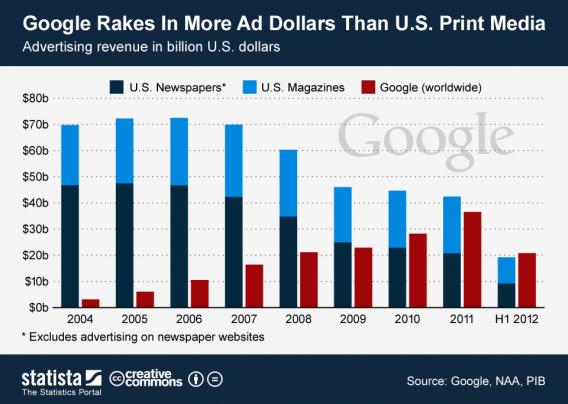
Google Has Officially Eaten the Newspaper Industry

Five years ago, I sat in an auditorium at Stanford University and listened to Marissa Mayer explain how much Google cared about the financial fortunes of the newspaper industry. Here's an excerpt from the Stanford News Service report about the panel discussion, in which Mayer, then Google's director of search and user experience, joined old-media bigwigs like the New York Times' Bill Keller to ruminate on the future of journalism:
Will OremusWILL OREMUS
Will Oremus is Slate's senior technology writer. Email him atwill.oremus@slate.com or follow him on Twitter.
Mayer, as the lone panelist from a purely web-based company, spoke of depending on trusted content providers like those seated beside her and of having a stake in seeing their news organizations prosper financially so reporters and editors can continue to be paid to produce quality stories. ... "For us, it's really about partnering with content providers and ultimately finding distribution and monetization channels for them."
The newspaper industry was willing to play along, if only for lack of a better idea. Gary Pruitt, then the CEO of McClatchy Newspapers and now CEO of the Associated Press, said, "We take comfort from Charles Darwin's observation that it's not the strongest species that survives, nor the most intelligent, but the ones most responsive to change. We just need to be adaptable."
Flash forward half a decade, and it turns out that newspapers weren't the strongest, the most intelligent, or the most adaptable. They've continued to churn out the same content while watching their advertisers steadily flee for sites like Craigslist, Yahoo, the Huffington Post/AOL, Facebook, and yes, Google. Some European papers today are belatedly trying to band together to prevent Google from displaying their headlines without paying royalties.* There's no guarantee that such a scheme would have worked even in 2007, given the Internet ethos that information wants to be free. But it might have had a better chance then than today.

DJ RO Remix Vol 28,Kom Los Phnom Penh Kromom Srok Sre Remix